
5 Days Tour from Fes to Marrakech via the Sahara Desert
Duration
5 Days
Starting Location
Fes
Ending Location
Marrakech
Fes to Marrakech Desert Tour– 5 Days
Our 5 days tour from Fes to Marrakech via the Sahara desert is a private route we adapt to your dates and your pace. Here is a 5 day trip itinerary from Fes to Marrakech via the desert taking you from the Imperial City of Fes, over the Middle Atlas mountains, into the Sahara dunes of Merzouga for two nights, via the dramatic Dades and Todra Gorges, and the Kasbahs of Ouarzazate before crossing the High Atlas into Marrakech. It is one of the most comprehensive ways to experience Morocco’s landscapes, oases and mountain roads in less than a week, and it is the route our guides drive and lead in person, season after season.
Why This Route
This is a route based on roads and overnight stops we actually drive and guide in person and is updated for the current road conditions in the Dades and Ziz valleys. This isn’t just cobbled together from other travel blogs, the timings, stops and tips are all based on repeated trips along this exact route.
Highlights of the 5 days tour
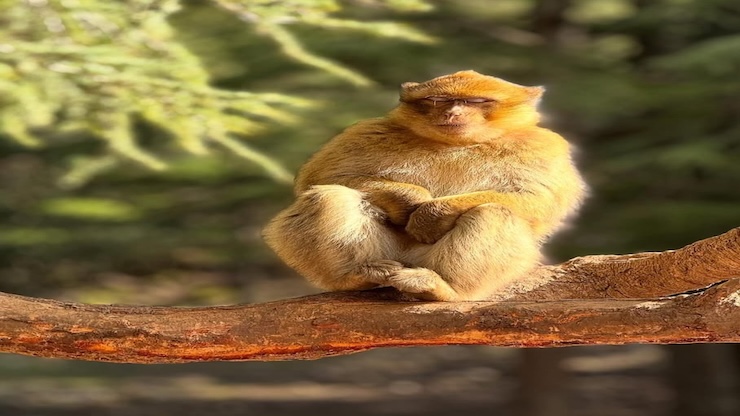
- Travel through the Middle Atlas via Ifrane and the cedar forests of Azrou, home of the Barbary macaques in the wild
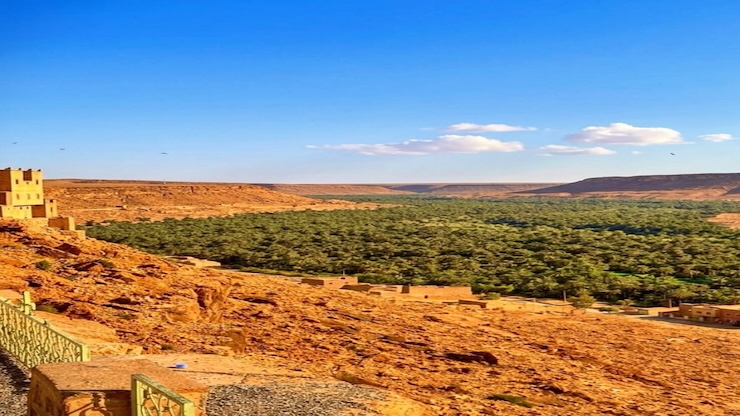
- Drive the Ziz Valley and Ziz Gorges, a dramatic canyon road lined with palms that leads to the pre-Sahara.
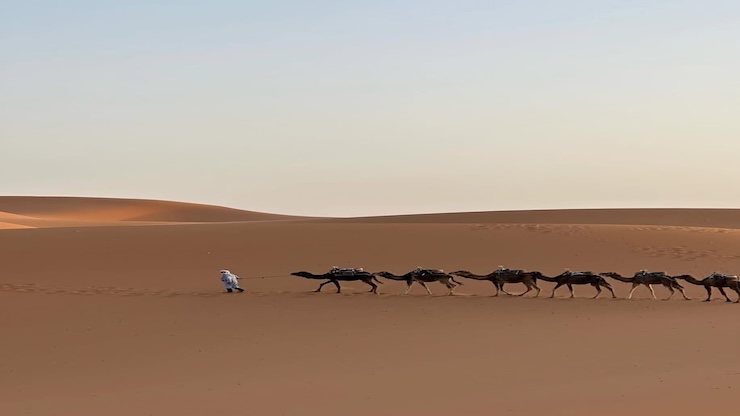
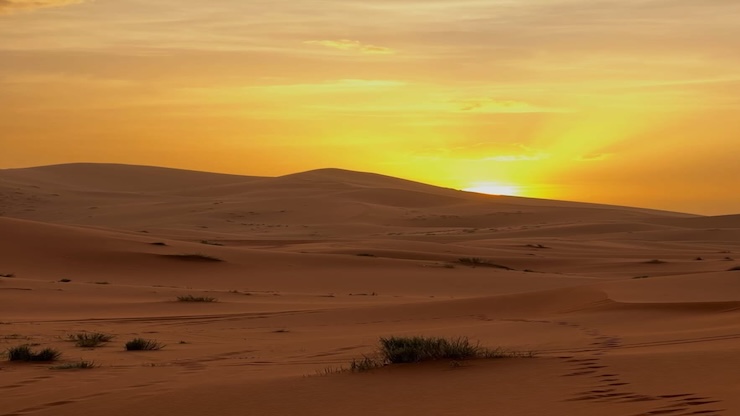
- Two nights camping in Erg Chebbi, camel trek to watch the sunset on arrival
- The oasis system of Merzouga in a day: khettara canals, palm groves and (water permitting) seasonal lake
- Live gnawa music in village of Khamlia Tea with a local nomad family
- Todra Gorge, via Tinjdad and Tinghir, with its sheer rock walls
- Night in the Dades Valley.
- Hiking into the Monkey Fingers canyon, beyond the roadside viewpoint where most tours stop
- A drive-by of Kelaat M'Gouna, Morocco's valley of the roses.
- A real stop – no drive-by – at the UNESCO kasbah of Ait Benhaddou.
- Into Marrakech The Tizi n'Tichka Crossing, Morocco’s Highest Paved Mountain Pass Day-by-Day Itinerary
5 Days Itinerary Marrakech to Fes
Day 1: Fes → Ifrane → Azrou → Midelt → Ziz Valley → Merzouga
Morning:
We leave Fes early, usually between 7:00 AM and 8:00 AM, heading south via Ifrane, known as the “Little Switzerland” for its alpine-style architecture and cool climate. We continue from here into the Middle Atlas Cedar Forest near Azrou, where you can often see wild Barbary macaques right along the roadside. Usually this stop doesn’t last more than 20-30 minutes but is one of the most photographed moments of the entire trip.
Noon:
Lunch is usually in or around Midelt, a peaceful town with apple orchards and views of the mountains. This is also a good place to stretch your legs, use proper lavatory facilities and pick up water for the afternoon drive, as options become less and less the more south you go.
Afternoon:
The road descends through the Ziz Valley, one of the most scenic parts of the whole tour, a green ribbon of palm groves through red rock canyon walls. By late afternoon we reach Merzouga. The camp is right on the edge of the dunes so we drive straight there, not stopping in town. On arrival you will be welcomed by the camp team who will show you to your tent which will be your base for the next two nights. Camels are saddled up for a roughly 45-minute ride out to one of the tallest dunes to watch the sunset paint the sand in shifting shades of orange and gold after a short rest. Afterwards we return the same way to camp for dinner, and then Berber drumming and music around the fire. The sky overhead is so clear the stars alone are worth staying up for.
Practical tip: Wear a scarf or shesh to protect yourself from blown sand during the camel trek and pack a light jacket.
Day 2: Full Day In Merzouga
Morning:
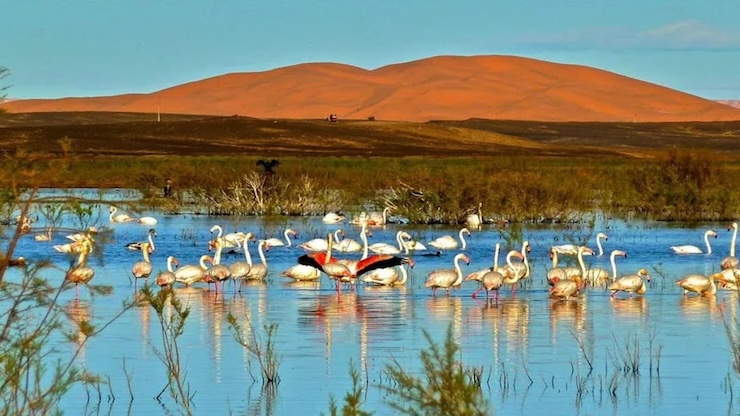
We watch the sunrise from the dunes, then return to camp for breakfast, before heading out to really explore the area on foot rather than just passing through it. First stop: a khettara, the centuries-old underground irrigation canal system that brings water from under the dunes down to the palm oasis below – a quiet piece of desert engineering that most visitors never even know exists. From there we walk straight into the palm oasis itself, following the same water lines on foot, and on to Merzouga’s seasonal lake, Dayet Srji, which fills with water in certain seasons and attracts flocks of flamingos when it does.
Noon:
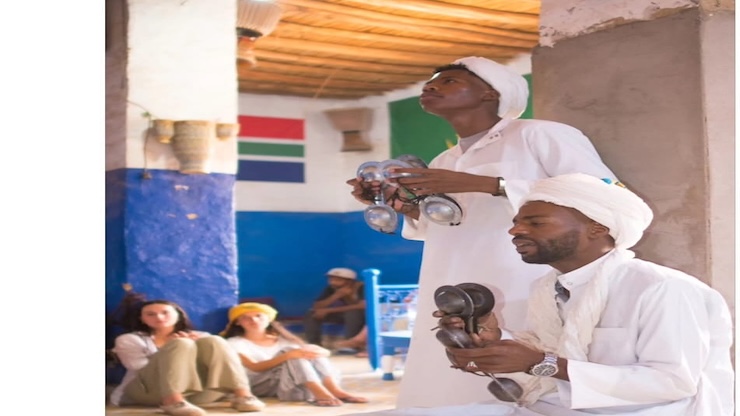
We drive from the oasis to Khamlia, a small village famous for its Gnawa community, descendants of West African settlers whose music fuses hypnotic rhythm with spiritual tradition. Sitting in on an informal Gnawa music session here is one of the more genuine cultural moments of the entire trip, away from a staged show. Close by, we stop by the old Mifis mine area, where the ground faintly glitters with mineral deposit and small-scale mining still shapes local livelihood. After that we visit a nomad family who live in the surrounding desert. They offer us a cup of traditional mint tea in their tent, and we learn from them directly how they still move with the seasons. Back in the village for lunch, and a Berber pizza is one option – a layered flatbread stuffed with vegetables and meat, cooked underground in hot sand and coals, and worth trying at least once on this trip.
Afternoon:
Back at camp, the afternoon is left open for rest during the hottest hours, and then it’s your choice how to close the day: take quad bikes deeper into the dunes for sunset, walk out to the nearest ridge on foot, or head out on camelback again. However you choose to pass your day, it will end the same way – dinner at camp, then Berber music and drumming round the fire, bringing the second night in the Sahara desert camp to a close.
Practical tip: The khettara and oasis walk is on soft sand and uneven ground so wear closed shoes rather than sandals and bring a scarf for the Mifis mine stop as the terrain can be dusty.
Day 3: Merzouga → Todra Gorge → Dades Gorge
Morning:
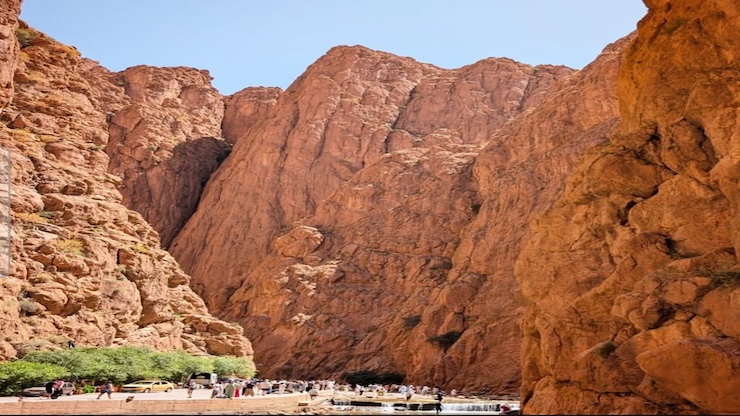
We leave the desert for the drive to Tinghir, stopping at the Todra Gorge, where the canyon walls rise to 300m (nearly 1,000 feet) on either side of a narrow river. It’s popular for a short walk or for climbers, actual rock climbing routes.
Noon:
Lunch is had at noon usually by the gorge at a cafe with tables right along the bank of the river – a good place to cool off before going on.
Afternoon:
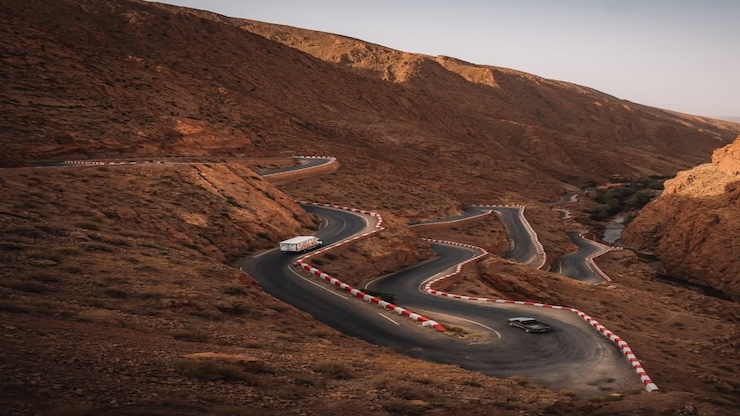
Drive through the “Valley of a Thousand Kasbahs” on the road to Dades Gorge, where mudbrick fortresses cling to the cliffs. The Dades road itself, with its tight hairpins, is a photographer’s delight. We overnight in a Kasbah-style guest house at the Dades Gorge.
If you get travel sick on winding roads, you may want to ask for the front seat for this part of the journey, as there are plenty of switchbacks close together.
Day 4: Dades Gorge → Rose towen → Skoura → Ouarzazate
Morning:
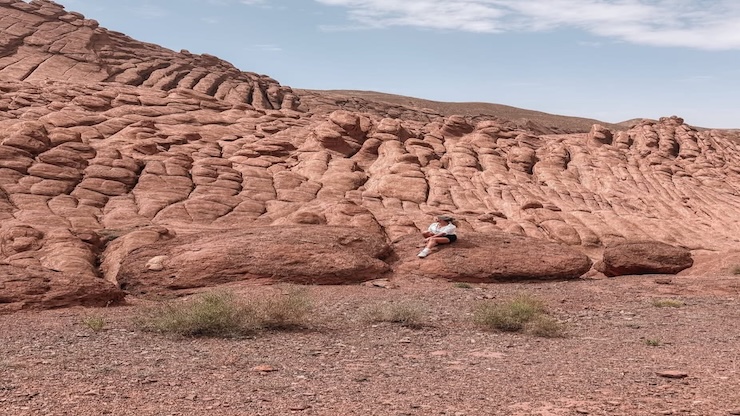
We rise early at Dades Gorge for a walk that takes us one step further than most visitors ever go: instead of stopping at the roadside viewpoint for a quick photo of the Monkey Fingers rock formations, as 99% of tour groups do, we walk right into the canyon among the pinnacles themselves. Depending on your pace, it’s a doable 1–2 hour walk, suitable for most fitness levels, and puts you right at the base of these eroded rock towers rather than just seeing them from a distance — a truly different perspective on a spot that is usually reduced to a five-minute photo stop.
Noon:
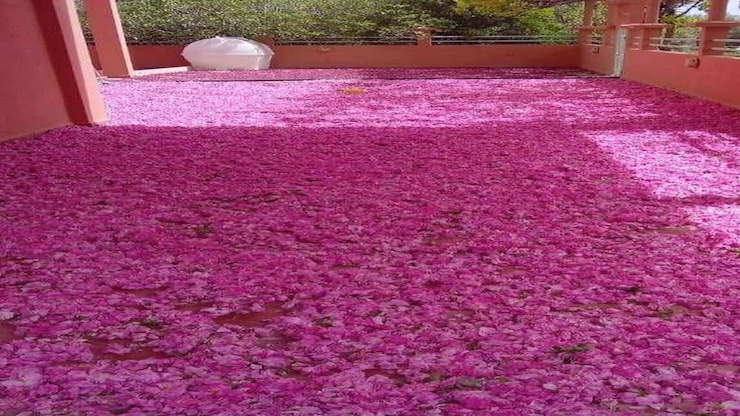
We come back from the walk and head to Ouarzazate. We stop on the way at Kelaat M’Gouna, a town renowned for the growing of roses and the production of rose-water, before going on to Kasbah Amridil, one of the best preserved traditional Kasbahs in the region and a fine example of local earthen architecture. This area is usually where lunch is eaten.
Afternoon:
We tour the Atlas Film Studios in Ouarzazate, Morocco’s film industry capital, where many big-name international productions have been shot. There is an opportunity to explore the town in the afternoon before settling in for the night. Overnight in Ouarzazate.
Practical tip: Wear proper walking shoes for the canyon hike. Inside the Monkey Fingers, the terrain is rocky and uneven, and even though it’s a short walk, sandals aren’t recommended.


Day 5: Ouarzazate → Air Ben Haddou → Atlas Mountains → Marrakech
Morning:
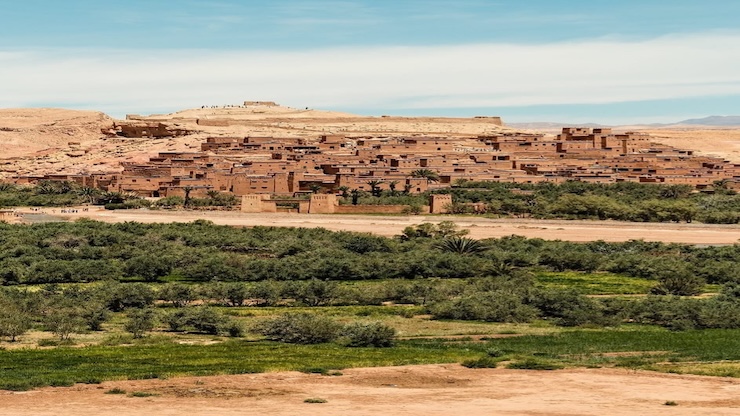
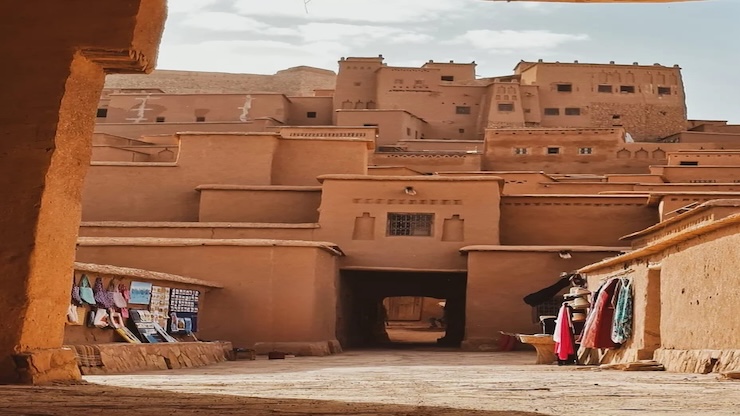
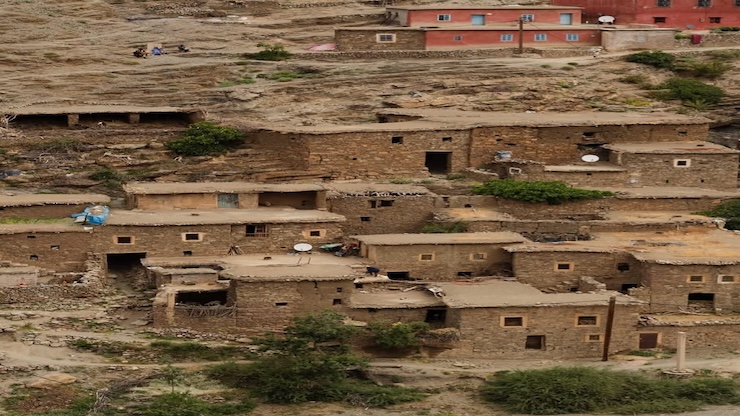
Departing Ouarzazate, our first stop is just outside of town at Ait Ben Haddou, a fortified village and UNESCO World Heritage site, considered one of Morocco’s most familiar Kasbahs. With its clustered earthen towers above the Ounila River, We then begin our climb of the High Atlas Mountains via the Tizi n’Tichka Pass, one of the highest mountain passes in North Africa at over 2,200 meters (7,200 feet).
Noon:
A stop along the pass gives sweeping views back over the valleys and a chance to buy handmade minerals or crystals sold by local vendors along the roadside — bargaining is expected here.
Afternoon:
The tour ends in the red city of Marrakech, with a descent on the road. Usually you will be dropped off at your riad or hotel in the afternoon, in time to explore Jemaa el-Fna square before dinner.
Practical tip: If you’re flying out of Marrakech the same day, don’t book anything before early evening, sometimes mountain road conditions can mean delays.
What’s Included & Excluded
What’s Included
- Private transport in a [ air-conditioned 4x4 / minivan]
- Professional English speaking driver
- Fuel, road charges
- Pickup from Fes, Drop in Marrakech
- Sunset Camel Ride in Erg Chebbi (1 Camel per Person)
- 2 nights in a private tent at a desert camp in Merzouga
- 1 night hotel or guesthouse in Dades Gorges
- 1 night hotel or guesthouse in Ouarzazare
- Daily breakfast and dinner
Not Included
- Lunches and drinks
- Optional activities (quad biking, 4x4 excursions)
- Tips (optional but appreciated)
- Individual expenses
Know Before You Go:
- Best time to visit: March–May and September–November for most comfortable temperatures in both the desert and mountain stretches.
- Very hot in Merzouga in July–August (often 40°C/104°F+). Cold desert nights in December–February.
- What to pack: Layers of clothing, scarf/shesh, good walking shoes for Day 4, sunblock, headlamp for desert camp, light jacket for evenings.
- Physical Difficulty: From Easy to Moderate. The only activity requiring a reasonable level of fitness is the Monkey Fingers walk, the rest of the tour is vehicle based with short walks.
- Best for: Couples, small groups, photographers and families with older children looking for a real mix of desert, mountains and Kasbah culture rather than a single desert day-trip.
- The camel excursion is roughly 45–60 minutes each way at a walking pace.
- Day 2 activities are optional and can be modified according to fitness level
- The Tizi n’Tichka pass can be closed and snowy in winter, so check conditions if you are travelling December-February.
- Weather: Desert days warm to hot depending on season; nights cold year-round, especially Nov–Feb. Pack them in layers.
- Don’t want to go camel riding? 4x4 or quads to the big duns for the sunset can be arranged.
- Please mention any dietary needs when you book or just tell your driver on day one.
- Bring cash. small village stops and local lunch spots don’t take cards.
Booking
Ready for an unforgettable trip? Book now and pay later with ease! If you don’t hear from us soon, please feel free to contact us on WhatsApp at @@ we’re always here to help make your dream trip a reality.
Frequently Asked Questions
How many days to travel from Fes to Marrakech via the desert?
This route is usually five days with 2 nights in the Sahara desert near Merzouga and visits to Dades Gorge and Ouarzazate. There are shorter 3 day versions but these skip the second desert night and the Monkey Fingers walk.
Is spending two nights in the Sahara desert worth it over one?
Yes. You can spend the day doing desert activities like sandboarding and visiting a Berber family, and you can enjoy a more relaxed second sunset and stargazing session without having to do a long drive that day and get tired.
Monkey Fingers Hike Near Dades Gorge: What It
Is It is a short, moderate walk (about 1–2 hours) which goes right into the canyon among the tall eroded rock pinnacles, rather than stopping at the roadside viewpoint where most visitors take a quick photo. It is suitable for most levels of fitness and is usually done in the cool of the early morning.
.
Do you need to have experience to ride a camel into the dunes?
No experience necessary. You check in at camp by vehicle and then camels take you into the dunes for sunset at a slow guide led walking pace before returning to camp.
What really happens on the “free” day in Merzouga?
Not so much free time as a different kind of day. Walk to a khettara irrigation canal and through the oasis, live Gnawa music in Khamlia, a stop at an old mica mine and tea with a nomad family, then an open afternoon. Quad biking, another camel ride or just chilling at camp.
Does this route cover Ait Benhaddou and the Todra Gorge?
Yes to both of these. Todra Gorge is a stop on the way into Dades on Day 3. Day 4: Full visit to Ait Benhaddou, between Ouarzazate and the ascent to the High Atlas.
What to pack for a Fes to Merzouga desert trip?
Pack layers of clothing, a sand scarf, sturdy closed shoes, sunscreen and a warm layer for cold desert nights, which can fall below 5°C (41°F) even in the warmer months.
Is this 5-day itinerary suitable for me?
No special fitness needed. Most of the tour is vehicle-based with short walks; the only real activity is the light Monkey Fingers walk on Day 4, which is doable for most travellers.
How does the desert camp look?
You’ll sleep in a traditional Berber tent with real beds.[Standard/Superior/Luxury] camps have [shared/private] bathroom facilities – please advise your operator of your preference when booking.
What to wear on a desert tour in Morocco?
Light layers for the day, warm layer for cold desert nights, comfortable walking shoes, sunglasses, sunscreen, hat…
The end point of the 5-day Fes to Marrakech desert tour is:
Day 5: Marrakech We finish our tour in Marrakech after crossing the Tizi n’Tichka Pass and we drop you at your riad or hotel in Marrakech in the afternoon.
Do you have vegetarian/vegan options?
Yes – just say so when booking or tell your driver/guide on the first day.
A sleeping bag is not required for the desert at night.
No – the camps have full bedding, even in the standard tents.
How to book and pay?
Your booking is secured with a small deposit, the balance will be paid in cash at pickup (euros, US dollars or dirhams) Full PayPal payment available with a 5% fee.