
4 day desert tour from Errachidia to Marrakech
Duration
4 Days
Starting Location
Errachidia
Ending Location
Marrakech
Morocco desert tour starting in Errachidia
Our 4 day desert tour from Errachidia to Marrakech is a private journey planned by our local Moroccan team. This trip is for people who want to spend time in the Sahara and not just pass through it, but don’t want to drive all the way from Marrakech and back. Start in Errachidia and you’ll hit the dunes on day one, have a full second day to explore Merzouga properly, then pass through Todra Gorge, Dades Gorge and Ait Ben Haddou on the way to Marrakech.
Why choose Our 4 day Sahara desert tour from Errachidia
Most short desert trips include one night in Merzouga and then move you on the next morning, so you have just enough time to see a sunset and a sunrise. This tour adds a full extra day in the desert so there is real time to explore the area outside of the camp, the nearby villages, the oasis, the local life, instead of just seeing the dunes and leaving. And because it starts in Errachidia rather than Marrakech, you’re not wasting a day driving there and back.
Highlights
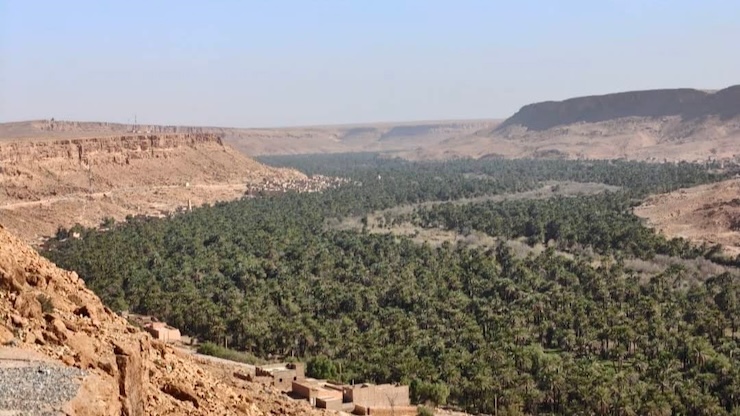
- The palm oasis of Ziz valley on the way to Merzouga
- Rissani's old market town and the volcanic landscape around Alnif
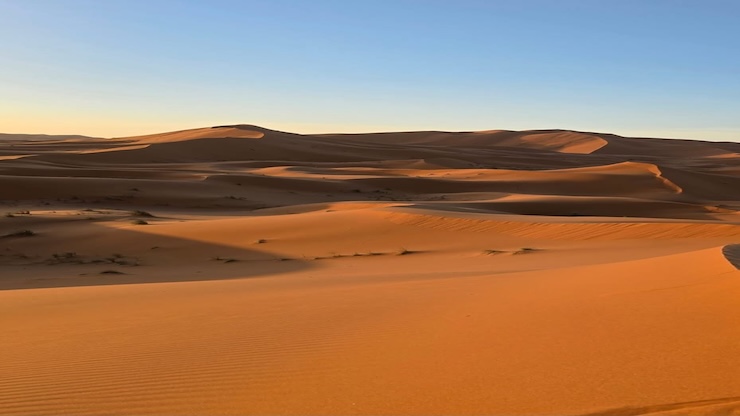
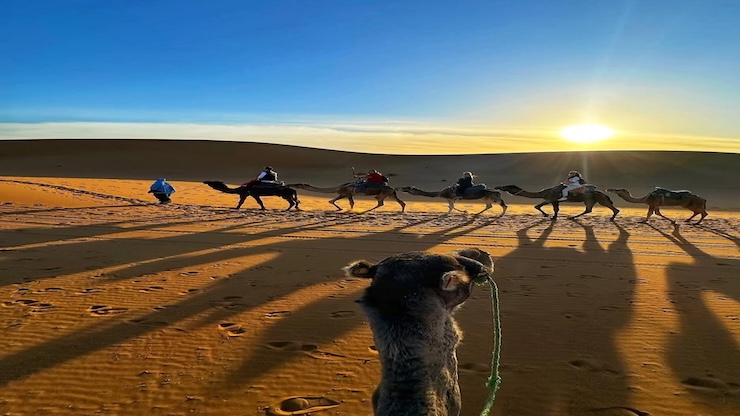
- Camel trek into the Erg Chebbi dunes at sunset and overnight in the Sahara
- Two for one, Dades and Todra Gorges
- Kelaa M'Gouna, at the heart of Morocco's valley of the roses
- One of Morocco’s most photographed film locations – Ait Ben Haddou’s clay alleys
- The Tizi n'Tichka pass in the High Atlas Mountains
- No repeat roads – the way back is not like the way out
Errachidia to Marrakech 4 days itinerary
Day 1: Errachidia → Ziz Valley → Erfoud → Merzouga
Morning:
Your driver will pick you up from your hotel or Errachidia airport and the drive south begins immediately. Soon the road picks up the Ziz River and follows it into the Ziz Valley, a long stretch of date palm groves between dry, reddish hills. Small mud-built villages are close to the road and the whole valley feels lived-in and working rather than like a postcard. You should stop once or twice to get out of the car and have a good look.
Noon:
The road continues to Erfoud, a market town and the last real settlement before the open desert takes over. This is the lunch stop, normally. By now you’ll notice that the air has changed – drier, hotter, with a sharper light than the valley behind you. If you have time, it’s worth a quick look at one of the local fossil workshops too. The area around Erfoud is known for marine fossils pulled out of the surrounding rock, cut and polished into tabletops and small ornaments, which is a fairly unusual local trade that you won’t see much of elsewhere in Morocco.
Afternoon:
To the south of Erfoud the greenery drops away quickly and the road is through flat, empty gravel plains until the first dunes of Erg Chebbi come into view ahead – tall, steep and bright orange against the level land around them. When you reach Merzouga, it’s still light enough to make use of it. After a brief rest and a glass of mint tea at camp, you will ride a camel out towards the dunes. It’s a slow ride, part of the point, you can really take in how different the desert feels once you’re inside it. The trek is timed to reach a good vantage point as the sun starts to go down, and it is a different thing entirely to watch it from inside the dunes rather than from the road – the sand darkens from gold to pink to a deep red as the light drops. Dinner back at camp followed by music around the fire, and if the sky is clear, more stars than you are likely used to seeing anywhere else.
Day 2: Full day in Merzouga 4x4 excursion
Morning:
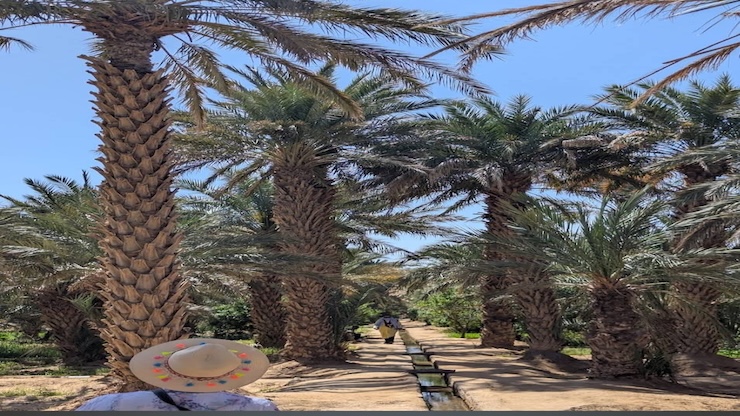
There is little need to persuade most people to rise early on this second day. Sunrise over the dunes is often better than sunset the night before, with cooler air, softer light and a stillness that the busier evening hour doesn’t have. A short camel ride or a walk out to a nearby dune will do, then back to camp for breakfast. Then the day switches to a 4×4 vehicle for a wider look at the area, beginning with a stop at a local khettara — an underground irrigation channel that has been carrying water out to the palm groves here for generations — and a short walk through the oasis it feeds.
Noon:
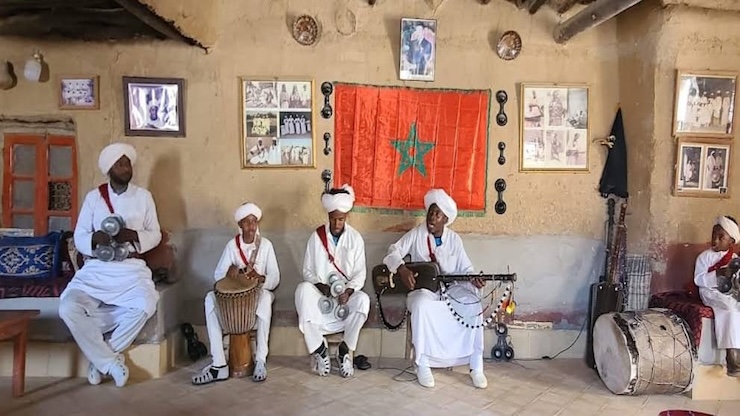
The route continues to a nearby seasonal lake, Dayet Srji, which fills with water depending on the amount of rain that has fallen that year and sometimes attracts flamingos and other migrating birds. From here you will visit Khamlia, a small village famous for its Gnawa music, a tradition brought here by families of sub-Saharan origin who settled here generations ago. Lunch is often Berber pizza – a stuffed flatbread cooked in hot sand, sometimes at the home of a local nomad family, which gives a much closer look at everyday desert life than a typical stop would.
Afternoon:
The rest of the afternoon is yours. Some go out for another camel ride, some try quad biking over the dunes and some just walk the sand near camp and relax. Whatever you decide, the second night in the desert feels a little different to the first – less new, but strangely more comfortable, as the rhythm of camp life is by now familiar.

Day 3: Merzouga → Todra Gorge → Dades Gorge
Morning:
We have one last breakfast in camp before we leave the dunes behind. The road turns back into the desert plains and towards the mountains, following a part of the route from couple of days earlier, before turning west and the landscape starts changing again.
Noon:
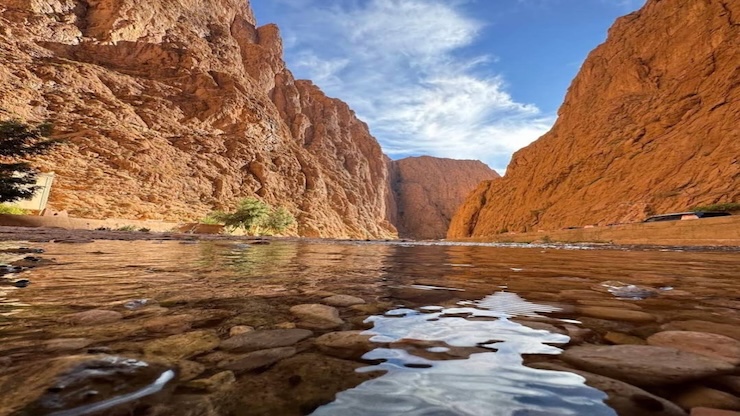
Once the road starts to climb, the difference is dramatic. The flat desert becomes steep canyon walls. This is the Todra Gorge. A small river has cut a deep and narrow canyon through solid rock. In places the road, river and cliffs are all crammed together. It’s a good place to get out and walk for a while. Todra is a well known destination for climbers, with routes bolted straight up the canyon walls.
Afternoon:
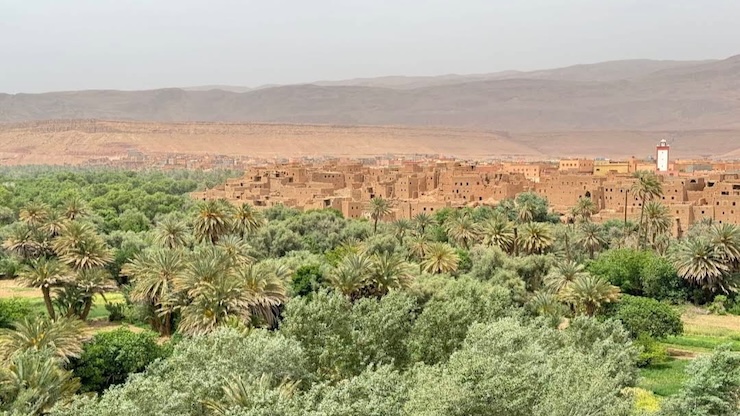
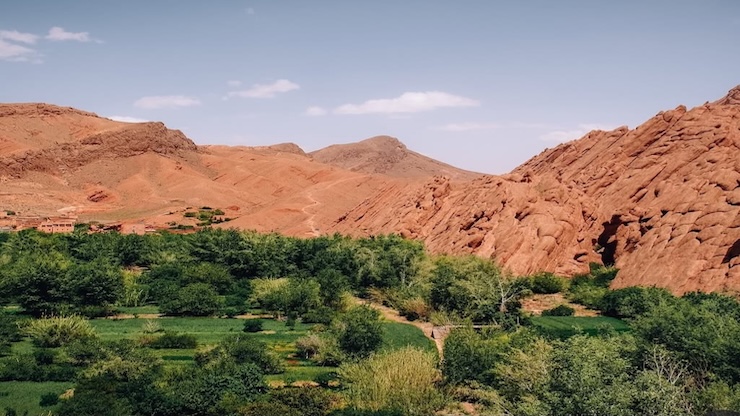
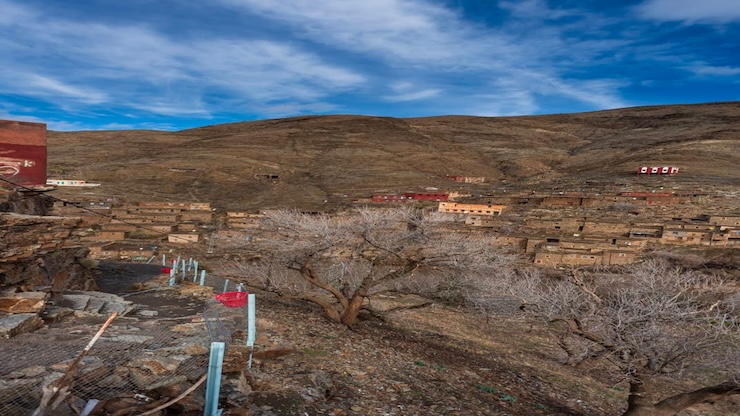
The road from Todra runs down the valley to Dades Gorge, famous for its twisting switchback road that winds up the hillside in tight loops and for odd, weathered rock shapes locals call “monkey fingers.” Here, kasbahs and small villages are nestled into the terraced slopes. The guesthouse usually has a view straight out over the valley so often dinner comes with the gorge visible as the light fades outside.
Day 4: Dades Gorge → Rose Valley → Ouarzazate → Ait Ben Haddou → Marrakech
Morning:
Leaving Dades Gorge, the road joins the route often called the “Road of a Thousand Kasbahs”. It goes through the Rose Valley where they grow roses, mainly picked in spring for rosewater and cosmetics sold all over Morocco.
Noon:
Drive to Ouarzazate, a town that is the gateway to the desert and also a center of Morocco’s film industry. The Atlas Film Studios here have been used in a long list of international films & TV shows, drawn by the desert light and old kasbah architecture. Lunch is usually eaten here before the last leg of the journey.
Afternoon:
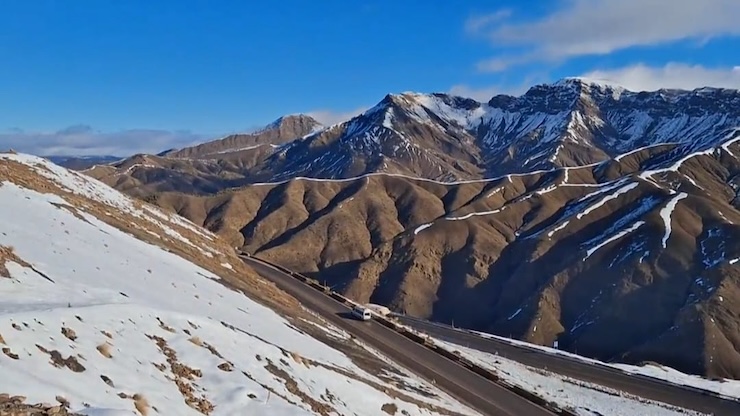
A short drive from Ouarzazate is the UNESCO World Heritage Site of Ait Ben Haddou, one of the best-preserved fortified villages in Morocco. Its clay towers rise above the Ounila River and walking through it gives a close-up view of building techniques that have changed little in centuries. From there, the road climbs into the High Atlas over the Tizi n’Tichka pass – one of the highest paved roads in North Africa – with sharp switchbacks and wide valley views before descending into Marrakech by evening, concluding the four-day trip.

Know Before You Go
- The driving is spread over the four days, no one stretch is longer than the others.
- Desert gets cold at night, even if it's hot during the day. Dress warm.
- You take everything with you to camp for your night out in the desert - nothing is left in the vehicle.
- Cash is handy — small lunch stops and some village shops along the Draa Valley won’t accept cards.
- The way back is quite different from the way out, so even if you have done a similar tour before, this part will be new.
- Please mention any dietary needs when you book or just tell your driver on day one.
Booking
Ready for an unforgettable trip? Book now and pay later with ease! If you don’t hear from us soon, please feel free to contact us on WhatsApp at @@ we’re always here to help make your dream trip a reality.
Frequently Asked Questions: 4Days From Errachidia
Why does this tour include a full day in Merzouga not just a night?
Only one overnight stop allows for one sunset and one sunrise. The extra day allows you to properly see the area: the oasis, the nearby villages and a visit with a local nomad family instead of just seeing the dunes and moving on
Can we turn this tour around and start in Marrakech and end in Errachidia?
Yes. This is a private tour so you can reverse or change the route. Just let Bahma Tours know when you book.
Why Errachidia and not Marrakech to begin with?
Starting in Errachidia means you won’t have to do the long drive to and from Marrakech, so you’ll be able to spend more of your four days in the desert and the gorges, and less in the car.
Is Day 4 a longer drive than the other days?
Yes, Day 4 has the most driving of the four days, with the Tizi n’Tichka pass crossed on the way into Marrakech.
Is there showers and working toilets in the desert camp?
Yes — this itinerary uses upgraded desert camps, so each tent has proper bedding, electricity and a private en-suite bathroom with a flush toilet and hot shower.
Do we have to ride a camel for hours to get to the camp?
No, the camel ride at sunset is usually less than an hour. If you prefer not to ride, we can arrange a 4×4 or quad to go to the big dune or you just stay in the camp.
A sleeping bag is not required for the desert at night.
No – the camps have full bedding, even in the standard tents.
Do you have vegetarian/vegan options?
Yes – just say so when booking or tell your driver/guide on the first day.
What to wear on a desert tour in Morocco?
Light layers for the day, warm layer for cold desert nights, comfortable walking shoes, sunglasses, sunscreen, hat…
How to book and pay?
Your booking is secured with a small deposit, the balance will be paid in cash at pickup (euros, US dollars or dirhams) Full PayPal payment available with a 5% fee.